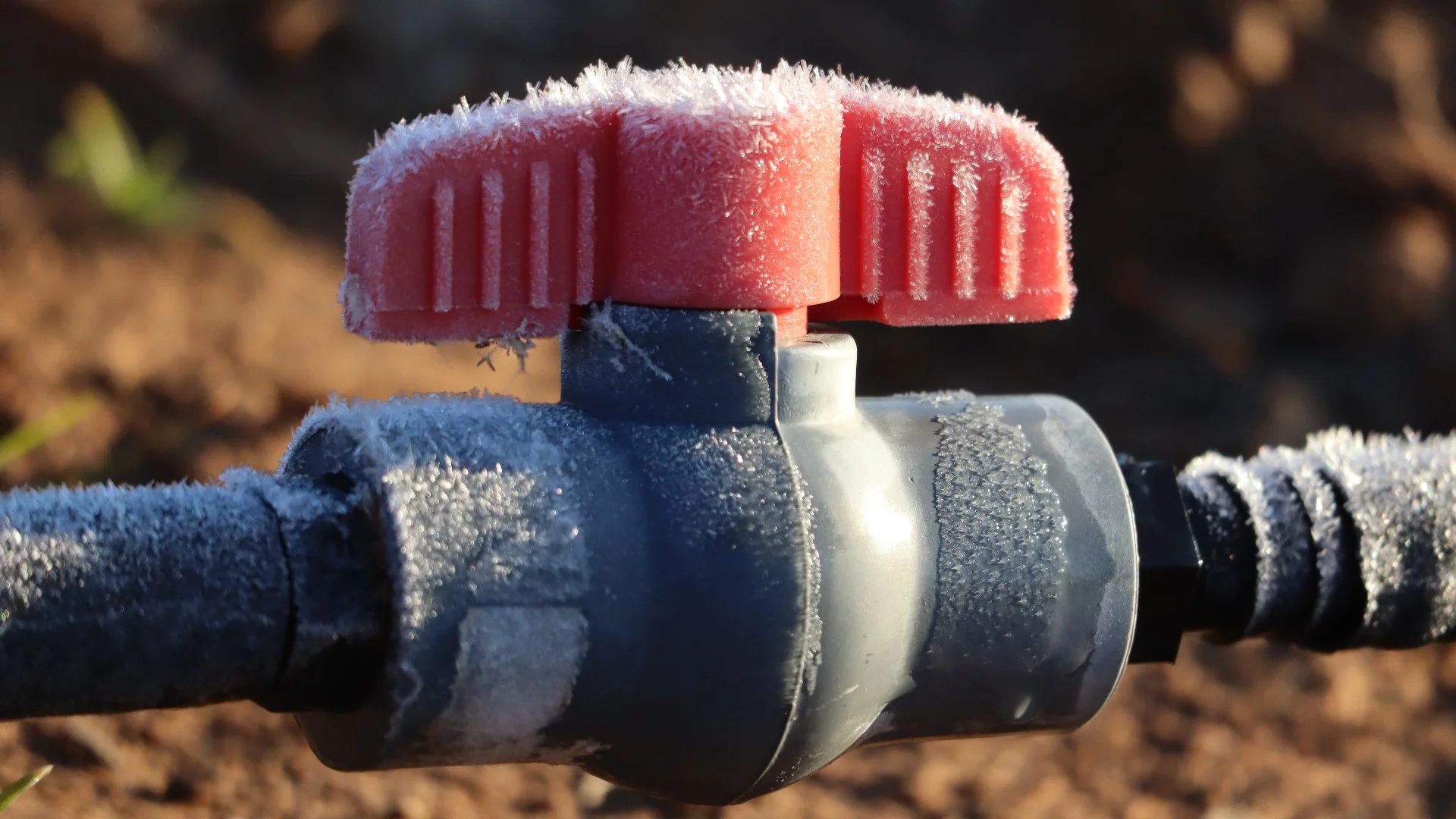
Winterizing your irrigation system is crucial to prepare it for the winter season here in North Carolina. Fortunately, professionals have a tried-and-true process for winterizing irrigation systems. First, they'll shut off the water supply and turn off the timers and controllers. Then, they'll remove any remaining water in the pipes to ensure it doesn't freeze and cause damage. After that, they'll disconnect and drain the pump before removing, storing, and insulating the above-ground components, such as the backflow preventer. By following these steps, pros will ensure your irrigation system is ready to withstand the cold temperatures and be in good shape for the next growing season.
Professional Irrigation Winterization Involves Turning off Your System's Water Supply, Timers & Controllers
The first step professionals will take when winterizing your irrigation system is to shut off the main water supply. This step is crucial because it prevents any more water from entering the pipes, which can freeze and expand, causing them to crack or burst. After shutting off the water supply, they'll turn off the timers and controllers. This step ensures that your irrigation system doesn't try to run while winterized, which can lead to unnecessary wear and tear on the components.
Pros will remove any leftover water in the pipes during irrigation winterization.
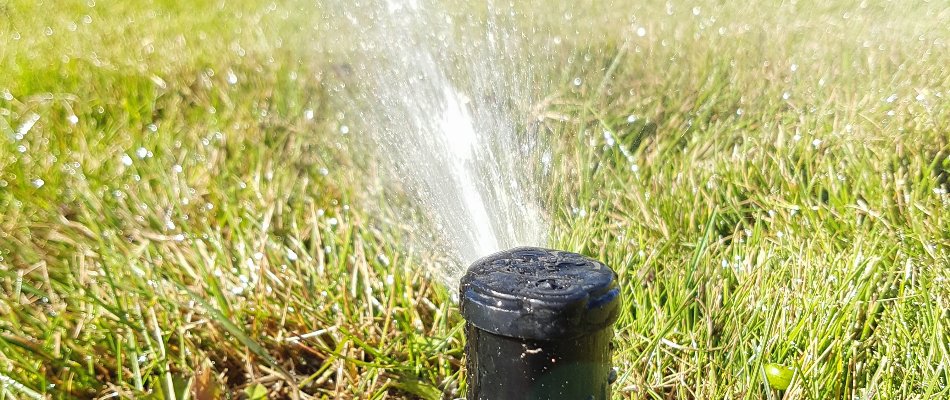
After shutting off the water supply and turning off the timers and controllers, professionals will move on to the next step of winterizing your irrigation system: removing any water from the pipes. This step is crucial because any remaining water in the pipes can freeze and expand, causing them to crack or burst. To do this, they'll drain and flush out the water, ensuring that anything leftover is removed from each zone before moving on to the next one. This step requires precision and expertise to ensure that all the water is removed without damaging the pipes or other components of your irrigation system.
Pros Will Disconnect the Pump & Remove Above-Ground Components During Irrigation Winterization
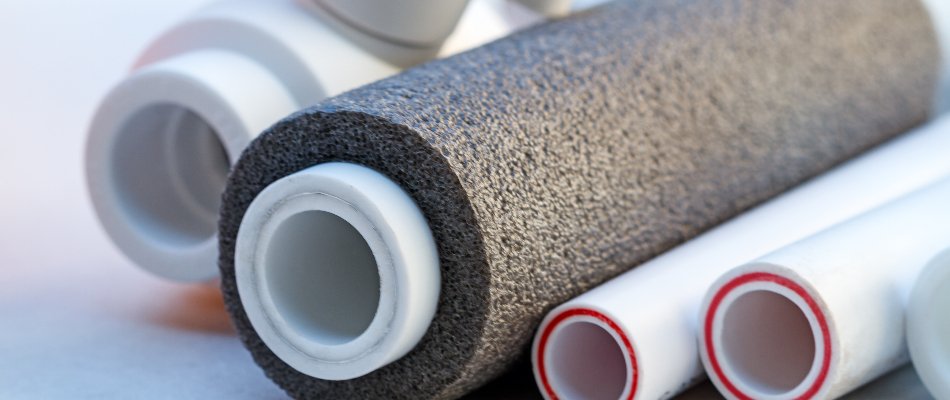
The final step in winterizing your irrigation system is to disconnect and drain the pump before removing, storing, and insulating the above-ground components. Professionals will start by disconnecting the pump from the main water supply and draining any remaining water from it. Then, they'll remove the above-ground components, such as the backflow preventer, and store them in a safe place to protect them from the harsh winter weather. They'll also insulate any exposed pipes and valves to prevent them from freezing. By taking these steps, pros will ensure that your irrigation system is fully winterized and ready to withstand the cold temperatures without sustaining any damage.
Call us today to sign up for our irrigation winterization service!
At Greenway Irrigation, we offer an irrigation winterization service to help you prepare your irrigation system for the winter. Our team will follow a thorough process to ensure that your irrigation system is properly winterized, including shutting off the water supply, turning off the timers and controllers, removing the water from the pipes, disconnecting and draining the pump, and removing, storing, and insulating the above-ground components. We've been protecting irrigation systems from freeze damage for 32 years, so you can trust that we have the expertise to winterize yours correctly. That way, you can rest assured that it will be ready to withstand the cold temperatures and come back online in the spring without issue.
We offer our irrigation winterization service to residential properties in Cary, Chapel Hill, Raleigh, and nearby areas in North Carolina. Call us today at (919) 217-4340 to sign up!